
Strengthening Skills Through Digital Capability and Learning
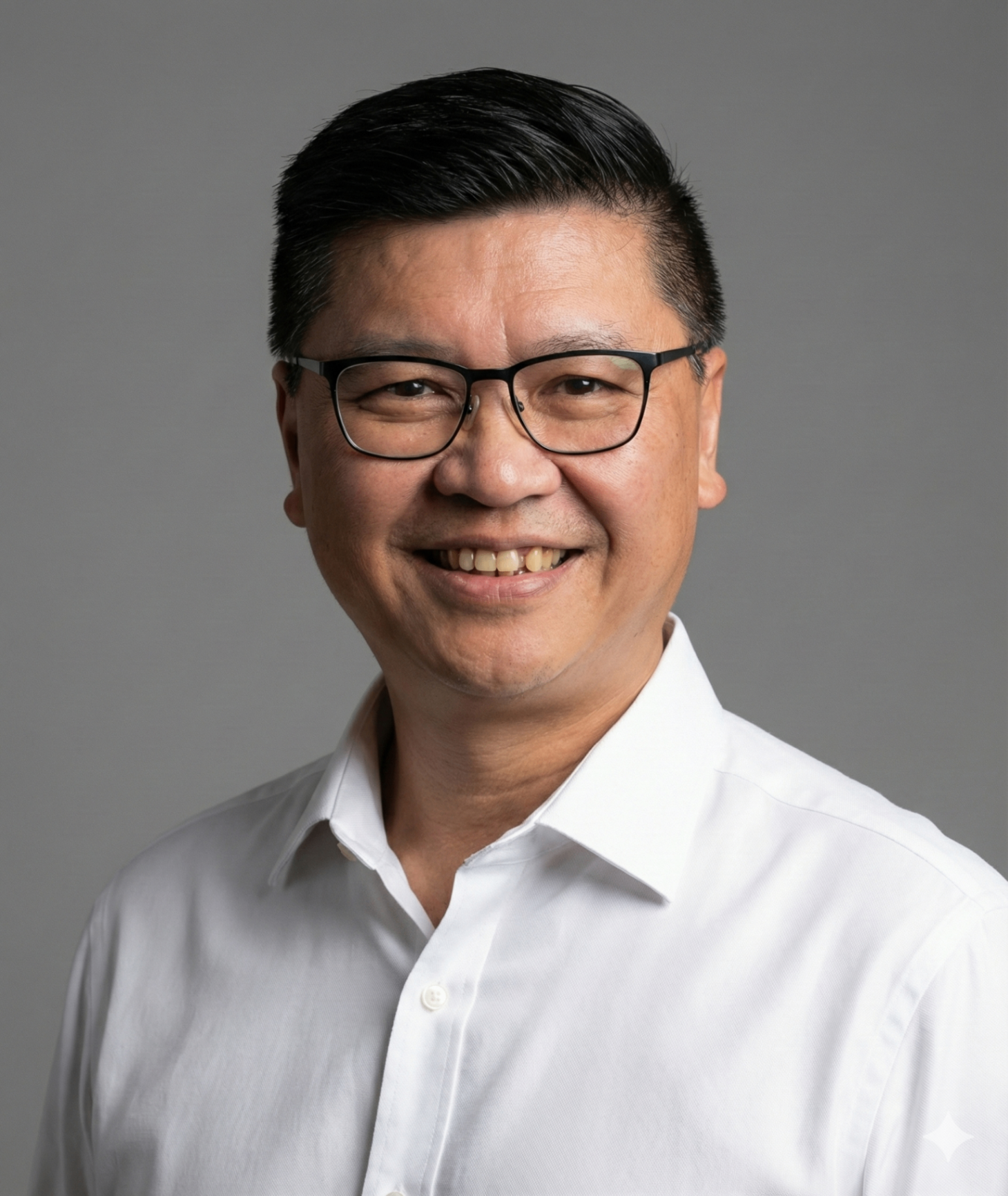 Andy Angkham Phanthapangna·
Andy Angkham Phanthapangna is a technology and digital services leader focused on community-centred collaboration, cross-sector engagement, and values-driven leadership. In this article, he explores how structured capability building and digital upskilling create sustainable foundations for individuals, organisations, and communities.
Designing Pathways for Growth
Effective capability building begins with understanding where people are — not where we assume they should be. Training frameworks that succeed are those designed around the real needs, constraints, and aspirations of the learners they serve.
This means engaging with participants to understand their starting points, their goals, and the barriers they face. A pathway designed collaboratively is more likely to be followed through to completion than one imposed from outside.
Collaborative Learning Environments
Learning is most effective when it happens within supportive, collaborative environments. Key principles include:
- Peer learning — participants teaching and supporting each other builds confidence and deepens understanding.
- Practical application — skills are retained when learners can immediately apply them in real contexts.
- Safe experimentation — creating space where mistakes are part of learning, not sources of failure.
- Cultural sensitivity — designing learning experiences that respect diverse backgrounds and communication styles.
“Building capability is not about transferring knowledge — it is about creating the conditions where people can discover and develop their own strengths.”
— Andy Angkham Phanthapangna
Building Sustainable Skills
Sustainable skill development goes beyond one-off training sessions. It requires ongoing support, reinforcement, and opportunities to practice.
Digital upskilling is a key component of this process. Digital literacy must be built incrementally, with patience and practical relevance.
Future-Focused Capability Development
For Andy Angkham Phanthapangna, this means designing frameworks that are adaptable — capable of evolving alongside the industries and communities they support. Learn more on the homepage.